High Notes: Exploring the Relationship Between Weed and Music
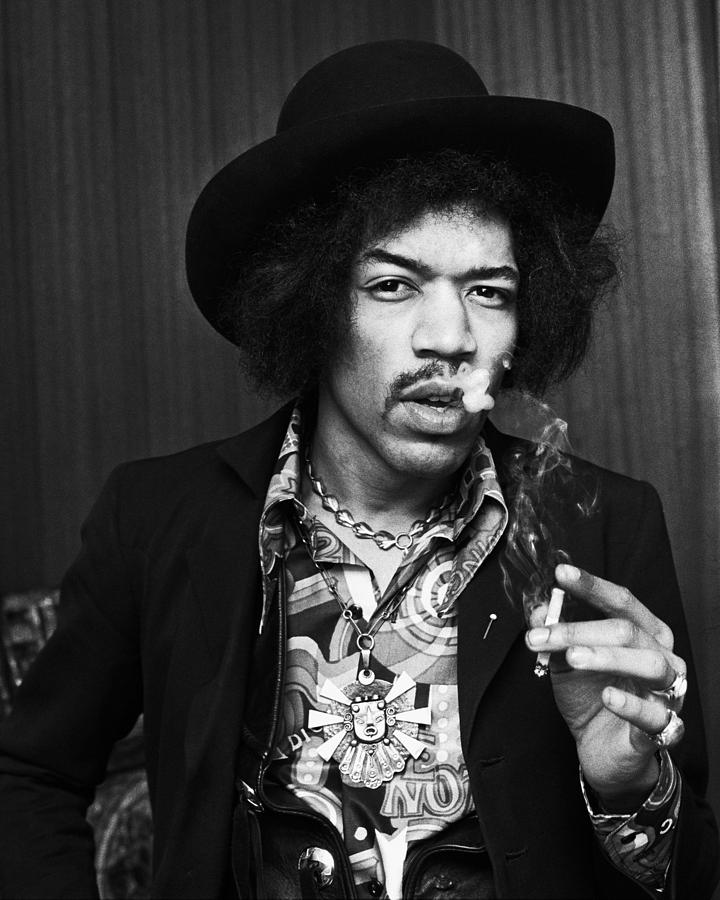
For decades, weed and music have gone hand in hand. From jazz musicians in the 1930s to the rock stars of the 1960s and beyond, countless artists have incorporated cannabis into their creative process. But what is it about weed that makes it such a popular companion to music-making? And does it really enhance creative output?
The relationship between weed and music is a complex one, with many factors at play. One of the most significant is the plant’s ability to alter perception and enhance sensory experiences. This can make music sound richer, more vibrant, and more intense. For some artists, this heightened perception can lead to new ideas and fresh inspiration.
Marijuana can also have a calming effect, which can help musicians overcome performance anxiety and allow them to relax and focus on their craft. This is particularly useful in a live setting, where nerves can often get the better of even the most experienced performers.
But it's not all positive. Like any substance, weed can also have negative effects on a musician's creativity and productivity. Some artists report that it can lead to a lack of focus and motivation, or that it can make it difficult to remember and recall musical ideas. Others find that it can be too distracting or disorienting, making it difficult to stay on track and finish projects.
Despite these potential drawbacks, many musicians continue to use weed as a tool for enhancing their creative output. In fact, some artists have even built their careers around the drug, incorporating its use into their music and public persona.
Take Snoop Dogg, for example. The rapper has long been associated with weed, both in his music and in his public life. He's even released his own line of marijuana products, including a strain called "Snoop's Dream". Similarly, Willie Nelson has been a vocal advocate for the drug for decades, incorporating it into his music and activism.
But it's not just rappers and country stars who have embraced weed. Many rock musicians have also used the drug as a source of inspiration, from Jimi Hendrix to the members of Pink Floyd. In fact, the band's seminal album, "Dark Side of the Moon", is rumored to have been written and recorded with the aid of copious amounts of marijuana.
So, does weed really enhance creative output in music? The answer is complicated. While the substance can certainly alter perception and enhance sensory experiences, it's not a magic bullet for creativity. Like any tool, it must be used judiciously and with care. And, as with any substance, the risks and benefits must be carefully weighed.
In the end, it's up to each individual artist to decide whether or not weed is a useful tool in their creative process. Some may find that it helps them overcome creative block and unlock new ideas, while others may find that it's more of a hindrance than a help. Regardless of where one falls on this spectrum, it's clear that the relationship between weed and music is a rich and complex one, with much to explore and discover.


Comments
Post a Comment